
As a responsible cat owner, you want the best for your feline friend — and that includes providing them with a diet that promotes optimal health and well-being. Transitioning your cat to a natural diet, like those offered by VēRUS Pet Foods, can be a significant step towards ensuring they live a long, healthy life. Below are four key points to guide you through the process of transitioning your cat to a natural diet.
Understanding the Benefits of a Natural Diet
Before making any changes to your cat’s diet, it’s essential to understand why a natural diet is beneficial. A natural diet typically consists of high-quality, minimally processed ingredients that are free from artificial additives, preservatives, and fillers. These diets often mimic what cats eat in the wild, focusing on high protein content, healthy fats, and a variety of nutrients that support overall health.
Cats are obligate carnivores, which means they require a diet primarily composed of meat. A natural diet ensures they receive the necessary amino acids, such as taurine, which are vital for heart and eye health. Additionally, natural diets can improve your cat’s coat, skin health, and energy levels, while reducing the risk of allergies and digestive issues.

Gradual Transition is Key
Cats are notorious for being creatures of habit, and abrupt changes to their diet can lead to digestive upset and refusal to eat. To successfully transition your cat to a natural diet, a gradual approach is crucial. Start by mixing a small amount of the new natural food with your cat’s current food. Begin with a ratio of about 75% old food to 25% new food. Over 7-10 days, slowly increase the proportion of the natural food while decreasing the old food.
Monitor your cat’s reaction to the new diet. Look out for any signs of digestive distress, such as vomiting, diarrhea, or constipation. If any of these symptoms occur, slow down the transition process. Patience is key, and it may take a few weeks for your cat to fully adjust to their new natural diet.
Pay Attention to Portion Sizes and Feeding Schedules
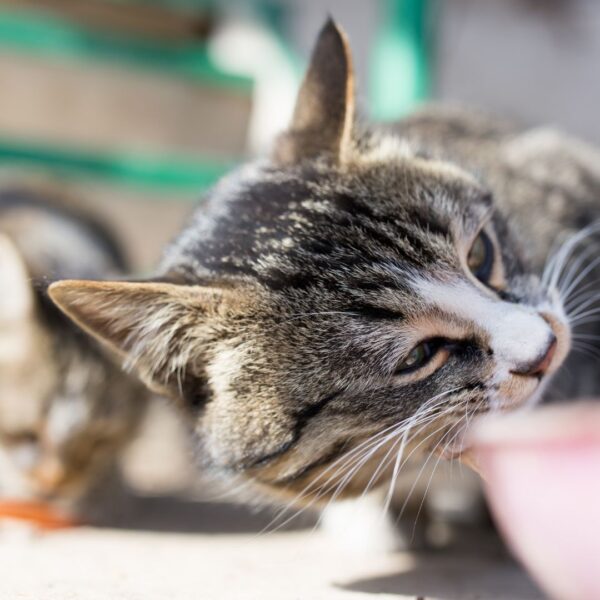
When transitioning to a natural diet, it’s important to re-evaluate your cat’s portion sizes and feeding schedule. Natural diets can be more nutrient-dense than commercial foods, meaning your cat may require smaller portions to meet their nutritional needs. Overfeeding can lead to obesity and related health problems, so it’s essential to follow the feeding guidelines provided on the VēRUS Pet Foods packaging or consult your veterinarian for personalized advice.
Establish a consistent feeding schedule to help your cat adapt to their new diet. Most cats thrive on two meals per day, but some may prefer smaller, more frequent meals. Observe your cat’s eating habits and adjust the schedule as needed to ensure they are comfortable and satisfied.
Monitor Health and Behavior Changes
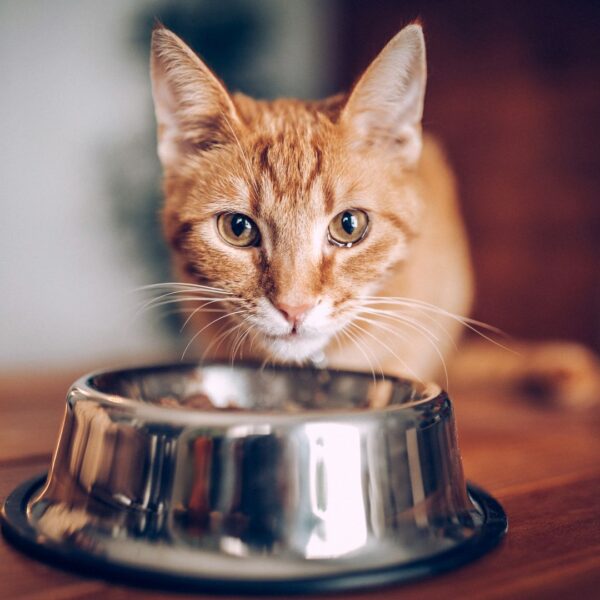
As your cat transitions to a natural diet, closely monitor their health and behavior. Positive changes may include increased energy levels, a shinier coat, healthier skin, and improved digestion. Regularly check your cat’s weight and body condition to ensure they are maintaining a healthy weight.
In addition to physical health, pay attention to your cat’s behavior. Cats on a balanced, natural diet often exhibit fewer behavioral issues and seem more content. If you notice any adverse reactions or if your cat seems lethargic, consult your veterinarian to rule out any underlying health issues.

Transitioning your cat to a natural diet can be a rewarding journey that enhances their overall quality of life. By understanding the benefits, transitioning gradually, paying attention to portion sizes and feeding schedules, and monitoring health and behavior changes, you can ensure a smooth and successful transition. VēRUS Pet Foods offers a range of high-quality, natural cat foods designed to meet your feline’s nutritional needs, supporting their health and happiness for years to come. Contact us today!
